

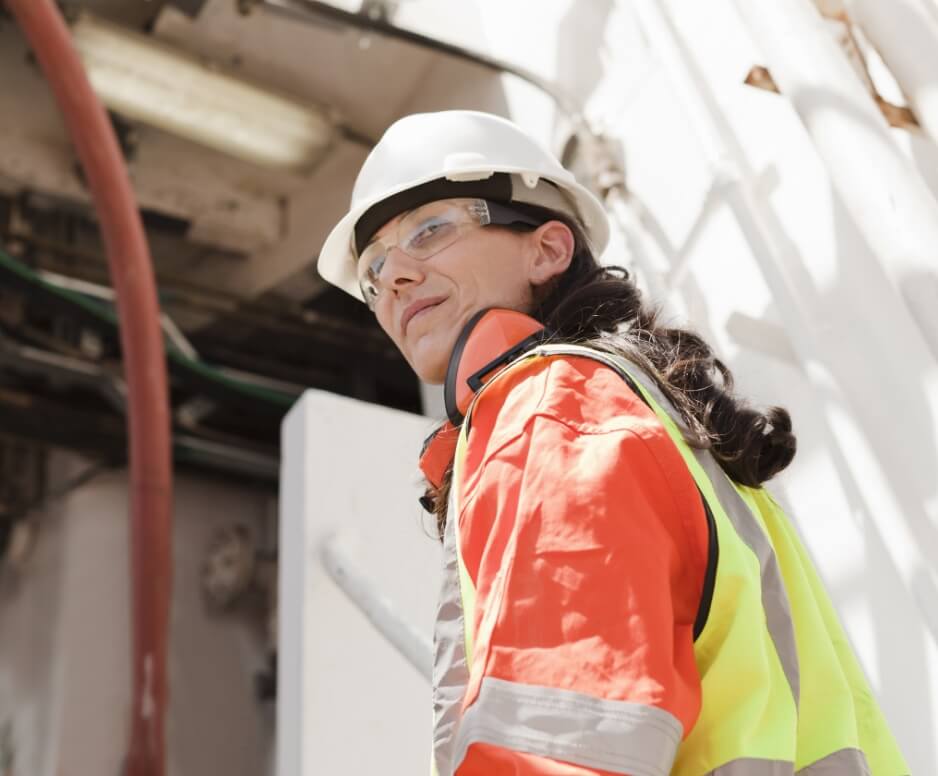
Safety has always been about protecting people. Today, that means protecting mental wellbeing too.
For years, workplace safety has focused on preventing physical harm. Procedures, checklists, equipment and training have saved countless lives. But as our understanding of wellbeing has evolved, so too has our understanding of what it really means to keep people safe.
One industry that helped shape this change was aviation.
Following the Germanwings tragedy in 2015, the aviation community took a closer look at how mental wellbeing was supported across the profession. While peer support programmes already existed in some areas, the incident accelerated the development of more structured, confidential and independent support networks, recognising that looking after people was just as important as looking after processes.
It wasn’t simply about responding to a tragedy. It was about building a stronger safety culture for the future.
Today, that thinking is spreading well beyond aviation.
Healthcare, emergency services, transport, construction, manufacturing, energy and many other sectors are recognising that psychological safety belongs alongside physical safety. Organisations are increasingly understanding that supporting people’s mental wellbeing isn’t just the right thing to do, it’s fundamental to creating resilient teams, reducing risk and building healthier workplaces.
At the same time, society has changed.
Mental health is discussed more openly than ever before. Social media, national campaigns and public figures have helped normalise conversations that were once avoided. More people feel able to ask for support, and more employers recognise that wellbeing deserves the same attention as any other aspect of health and safety.
But creating awareness is only the beginning.
People need somewhere they can speak honestly. Somewhere they don’t have to justify why their work is demanding before explaining how they’re feeling. Somewhere they know they’ll be understood.
That’s the value of Peer Support.
Speaking to someone who understands the pressures, responsibilities and realities of your profession creates a level of trust that traditional support can’t always provide. It removes barriers, reduces stigma and often makes it easier to have the conversation that matters most.
That’s why Talk to a Peer exists.
We believe that everyone deserves access to confidential, independent Peer Support from someone who understands the unique challenges of their working world. While our roots are firmly in aviation, our vision has always been bigger than one industry. The need to be heard, understood and supported isn’t unique to pilots or aviation professionals it’s something people across every sector deserve.
As workplaces continue to evolve, Peer Support is no longer a forward-thinking extra. It’s becoming an essential part of a positive safety culture.
Because when organisations invest in their people’s wellbeing, they aren’t just supporting better mental health.
They’re creating safer workplaces, stronger teams and a culture where looking after each other is simply part of how work gets done.
Because every safer workplace starts with a conversation.